Record Flooding Takes Heavy Toll on Fall Harvest in Madison and Tipton Counties
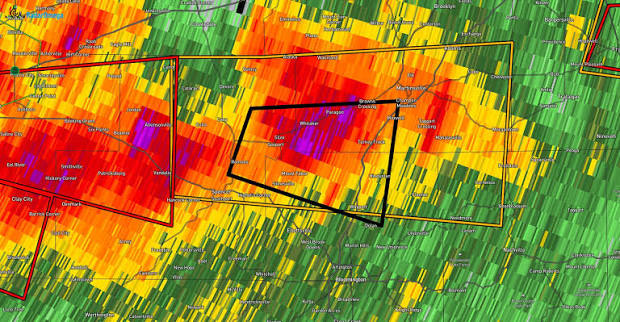
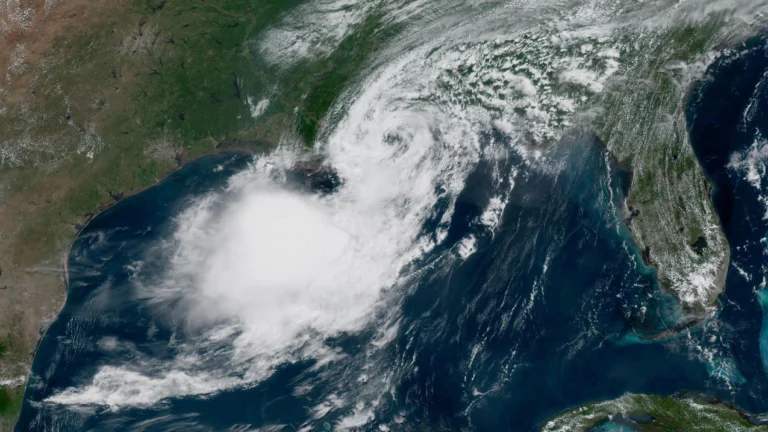
Farmers across Madison and Tipton counties are entering the fall harvest season facing some of the most difficult conditions in recent memory after the historic August 2026 flooding that inundated large portions of central Indiana. The flooding, triggered by multiple days of intense rainfall and severe weather, left fields waterlogged, damaged crops, and raised concerns about both yields and grain quality.
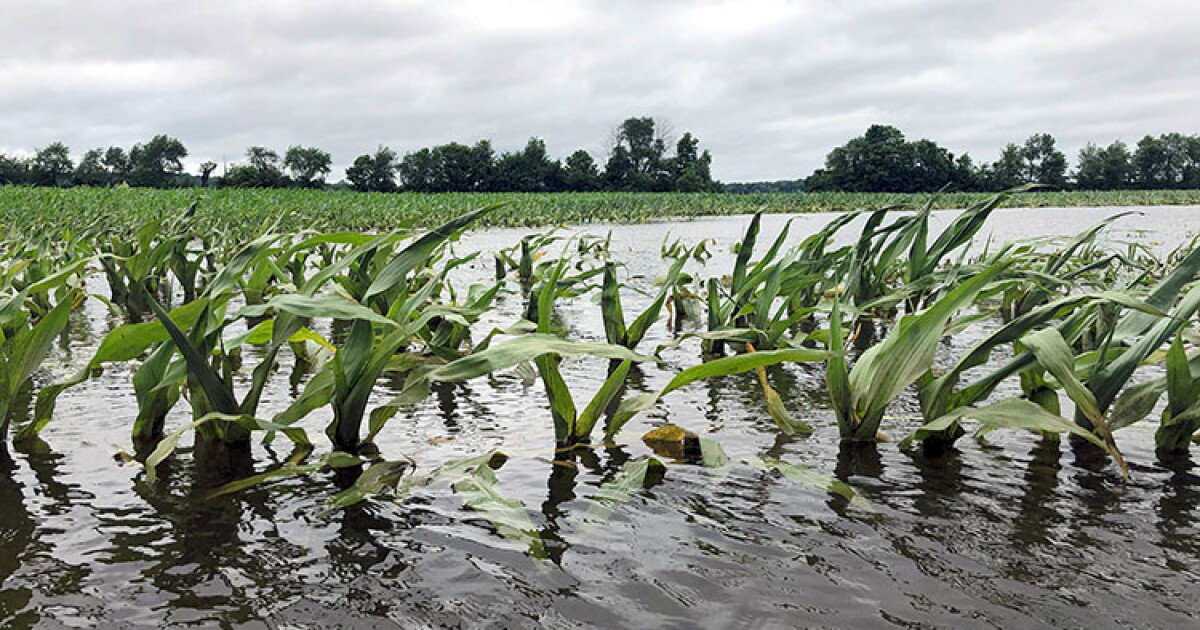
Agricultural experts say the storms arrived at a critical stage in crop development. Indiana State Climatologist Beth Hall noted that many areas received between 4 and 15 inches of rain over several consecutive days, leading to saturated soils and widespread concerns about crop health. Farmers have been monitoring corn stalk integrity, root systems, and soybean conditions as fields continue to recover from prolonged standing water.
Madison County was among the areas hardest hit by the flooding emergency. Along the White River, floodwaters reached record levels, surpassing historic benchmarks that had stood for more than a century. In Anderson, the river rose to a record stage, causing extensive flooding throughout low-lying areas and agricultural land.
Specialty Crops & Pumpkins Devastated
The county’s specialty crops bore the most immediate, severe damage. Indiana is typically a top three national producer of pumpkins, but the August floods decimated fields.
Standing water caused immense crop destruction, leaving pumpkins to rot in fields. The prolonged moisture also accelerated soilborne root and stem diseases. The floodwaters destroyed the protective leafy foliage of the plants, exposing the remaining pumpkins to intense sun and heat, which caused severe sunburn and subsequent decay.
High-profile local operations, like the Hodge Family Farm in Anderson, reported harvesting only 17% of their expected pumpkin crop. Instead of an anticipated 1,000 to 1,100 bins, they brought in fewer than 200, resulting in more than $100,000 in direct financial losses.
Corn and Soybean Harvest Complications
For primary row crops, the harvest is off to an incredibly slow and highly unpredictable start.
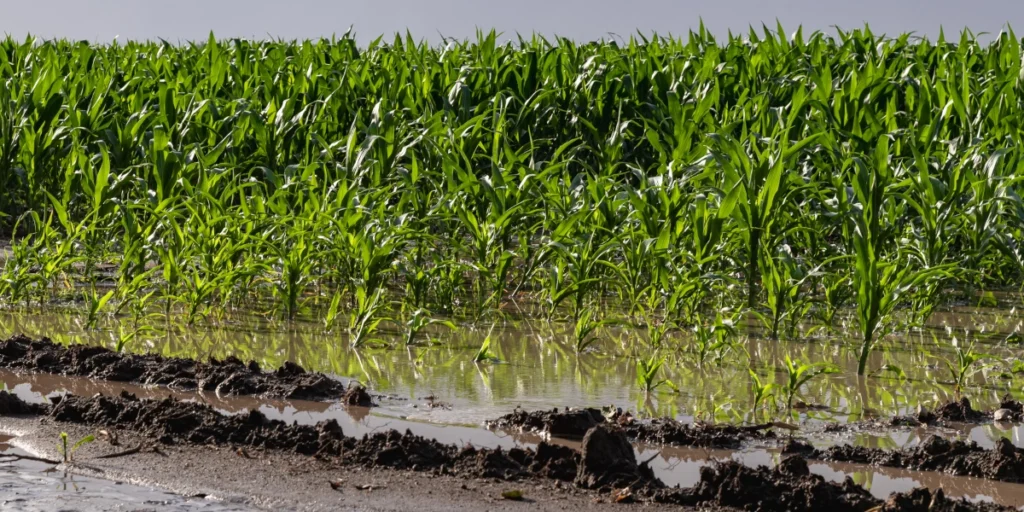
“We’ve never seen water stand this long in our fields,” said a Madison County corn and soybean farmer. “Some areas recovered, but other acres simply never had a chance. The biggest concern now is what kind of yields we’ll find once the combines get through.”
The disaster also affected neighboring Tipton County, which was included among Indiana counties receiving emergency declarations and disaster assistance following the flooding event. State officials reported widespread impacts from flash flooding, road closures, and damage to infrastructure throughout the region.
For producers, the challenges now extend beyond the flood itself. Fields that remained saturated for weeks have made it difficult for heavy harvesting equipment to operate safely. Some growers have reported concerns about stalk lodging, reduced ear quality, and increased disease pressure in corn, while soybean fields experienced pod loss and delayed maturity in areas where floodwaters lingered. These conditions could reduce yields and increase harvesting costs throughout the fall season.
“Harvest is moving, but it’s slower and more expensive than normal,” a Tipton County grain producer said. “We’re dealing with mud, ruts, and uncertainty about grain quality.”
Economic impacts are also expected to ripple through local communities. Agriculture remains a significant contributor to the economies of both counties, and lower harvest volumes could affect grain elevators, transportation providers, and agricultural suppliers throughout the region.
Despite the setbacks, many farmers remain cautiously optimistic. Dryer weather during late September and early October allowed some fields to firm up enough for harvest operations to begin. Producers continue to assess damage on a field-by-field basis, with final yield losses unlikely to be fully known until harvest is complete.
State and federal assistance programs have been activated in both Madison and Tipton counties to help residents and businesses recover from the flooding. The disaster prompted emergency declarations and later expanded aid eligibility for affected counties.
As combines roll through central Indiana this fall, the 2026 season will likely be remembered not for record yields, but for farmers’ resilience in the face of one of the state’s most significant flooding events. The long-term effects on crop production and farm finances may continue to be felt well into next year.