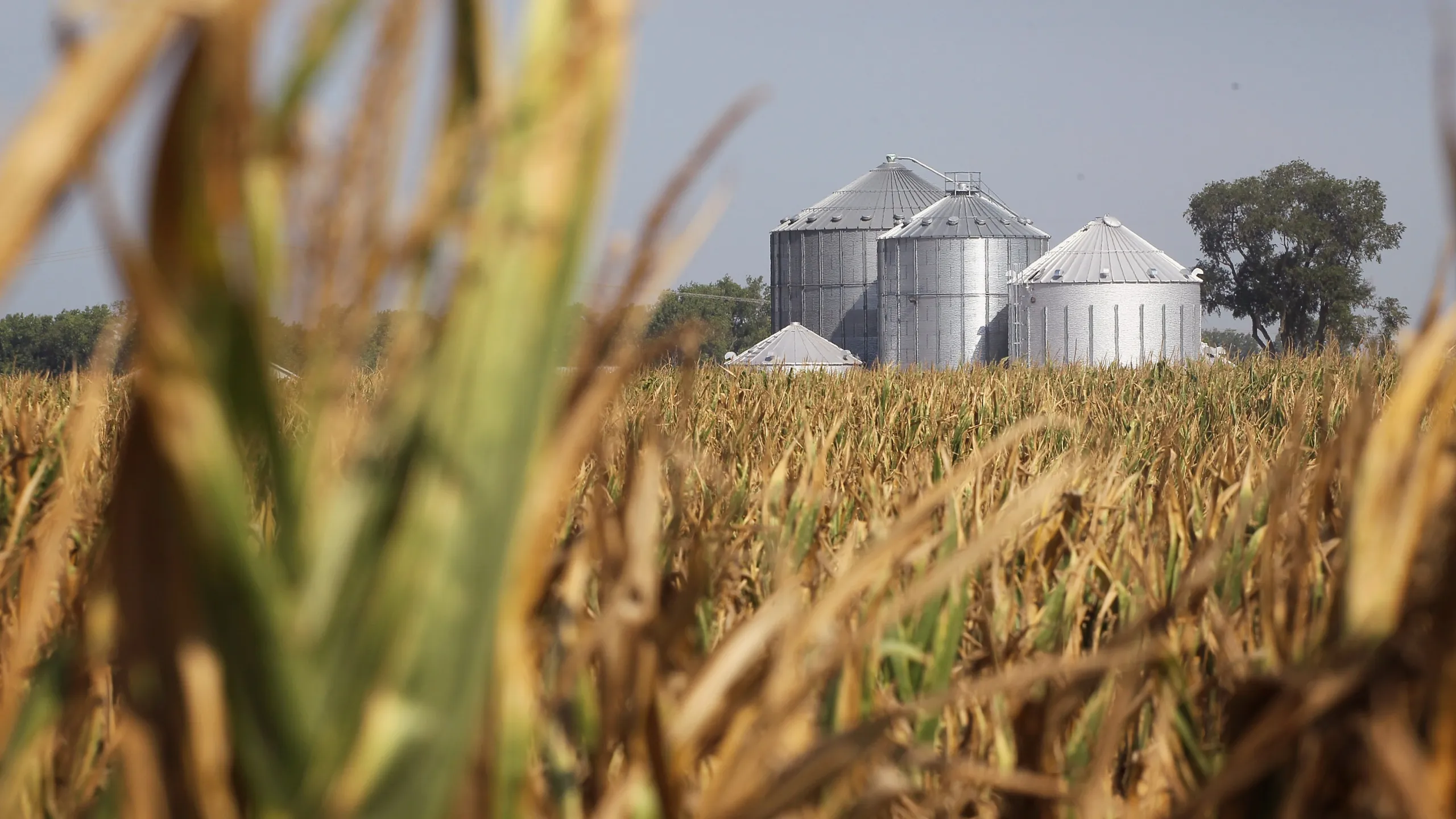
Fall Harvest Challenges for 2026
The fall harvest season in rural Indiana is officially underway, but Hoosier farmers are currently navigating a highly challenging mix of severe weather disruptions, historic crop damage, and soaring operational costs. Despite early progress in September, a combination of late-summer flooding and recent autumn rain has slowed down field operations across the state’s multi-billion dollar agricultural sector.
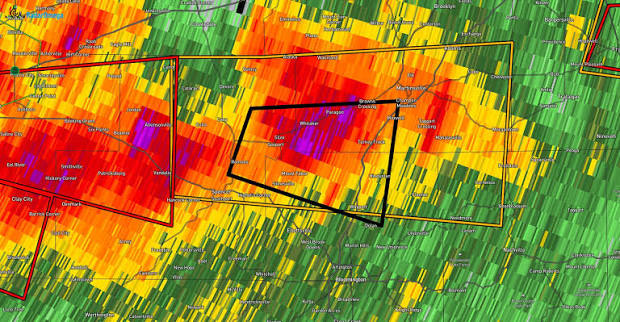
🌧️ Weather Hurdles & Crop Conditions
- August Flooding: Indiana recently endured its wettest August in state history. Severe flooding left many low-lying fields completely submerged, destroying acres of crops and rotting corn stalks from the ground up.
- Disease & Quality Issues: Farmers are reporting weak stalk quality and high disease pressure in corn due to excessive, standing water throughout the late growing season.
- Harvest Pace: Recent October rains have further stalled combines as farmers contend with muddy, wet soils. As of late September, roughly 13% of Indiana’s corn and 8% of soybeans had been harvested, primarily concentrated in the southwest and central regions of the state.
⛽ Financial Relief Amid High Expenses
Farmers are facing staggering financial headwinds this season, driven by a doubling of diesel prices alongside spiking costs for fertilizer and seed. To alleviate some of this pressure, Governor Mike Braun signed an executive order temporarily allowing farmers to use red-dyed diesel on state highways. This emergency action, which takes effect on October 6th and runs through November 4th, aims to substantially lower harvest transportation costs while suspending state fuel taxes.
🚜 Road Safety and Sharing the Road
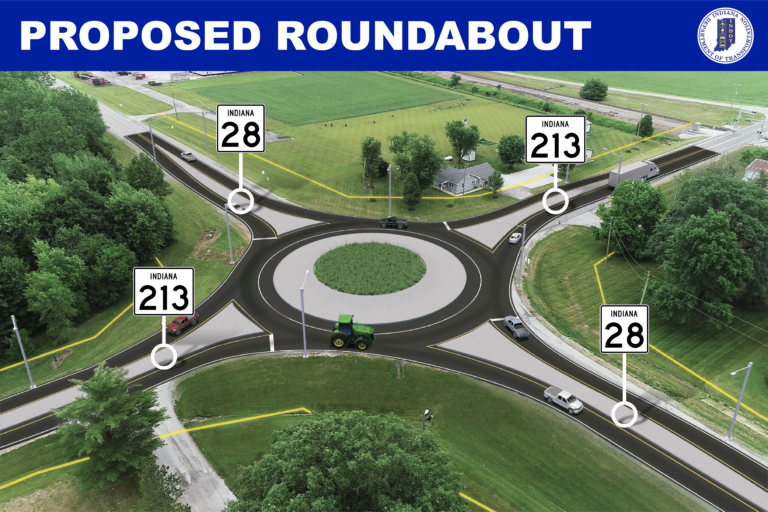
With thousands of massive combines, grain carts, and tractors moving between fields, state officials are urging increased caution on rural roads.
- The Risks: Farm equipment is often wider than a single lane, travels under 25 mph, and has massive blind spots. Between 2020 and 2024, collisions involving farm equipment in Indiana resulted in seven fatalities.
- Safety Rules: Motorists are advised to give equipment extra space, avoid tailgating, and remain patient. It is strictly illegal to pass farm machinery in “No Passing” zones or within 100 feet of intersections, bridges, or railroad crossings.