Lightning Safety Awareness Week; June 21-27
Lightning Safety Awareness Week June 21-27, 2026:
National Lightning Safety Awareness Week started in 2001 in order to call attention to lightning being an underrated killer. Since then, U.S. lightning fatalities has dropped from about 55 per year to less than 30. This reduction is lightning fatalities is largely due to the greater awareness of lightning danger and people seeking safety when thunderstorms threaten. During Lightning Safety Awareness Week, we encourage you to learn more about lightning and lightning safety. We will be sending out daily information about lightning to help you become more informed.
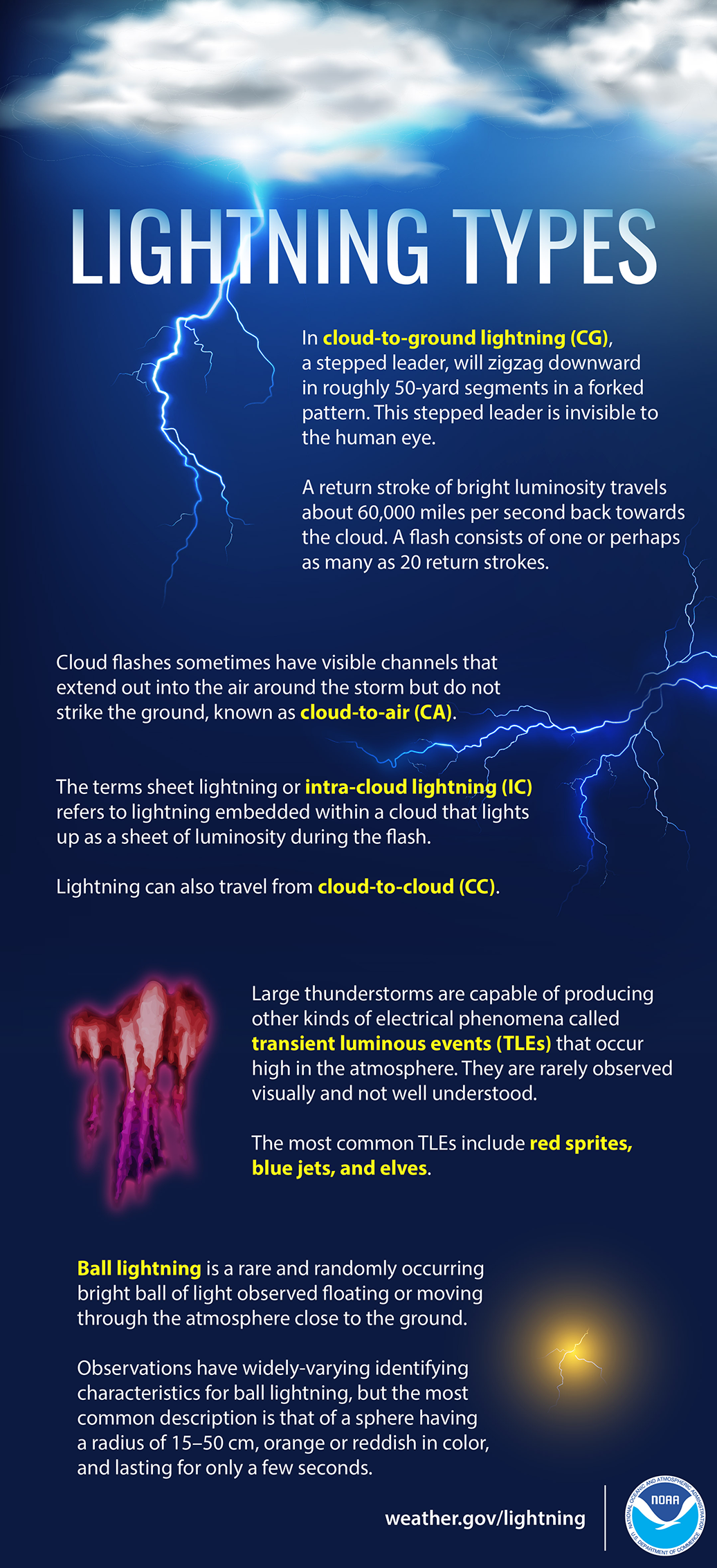
The Earth experiences roughly 1.4 billion lightning flashes every year, which breaks down to about 44 flashes hitting the planet every single second. Lightning counts hit an eight-year high in the United States, with a massive 252 million total lightning events captured across the country.
The Cost of Lightning Damage
Lightning causes massive economic damage, primarily through fires and destroyed electronics. Data from the Insurance Information Institute (Triple-I) highlights a massive spike in property losses:
- Total US Insurance Losses: Homeowners insurance claims for lightning damage topped $1.65 billion.
- Number of Claims: Insurers processed 61,986 lightning-related claims in a single year.
- Average Claim Cost: The average payout for a lightning claim jumped to $26,616 due to expensive smart-home technology and rising repair costs. In Texas, the average claim was an astonishing $60,382.
Human Risk and Survival Odds
Despite the high number of strikes, getting hit by lightning is incredibly rare. Public health data shows that lightning safety campaigns have successfully reduced deaths over the last few decades.
- Odds of Being Struck: Your odds of being struck in any given year are less than 1 in 1 million. The odds of being struck over a lifetime are about 1 in 15,000.
- Survival Rate: Roughly 90% of people struck by lightning survive. However, up to 74% of survivors face permanent, lifelong disabilities, such as neurological damage.
- Annual Fatalities: The US averages about 20 deaths per year from lightning strikes. For context, there were 21 fatalities recorded by the National Lightning Safety Council.
Who and Where is Most at Risk?
Lightning risk changes heavily based on geography, gender, and behavior. According to historical tracking by the Centers for Disease Control and Prevention (CDC) and weather agencies:
- Gender Split: Over 80% of all lightning strike victims are male. This is largely due to higher participation in outdoor work and recreational activities.
- Deadliest Month: July is by far the deadliest month, accounting for nearly one-third of all US lightning deaths.
- Deadliest Day: Saturday sees more fatal strikes than any other day of the week due to weekend outdoor recreation.
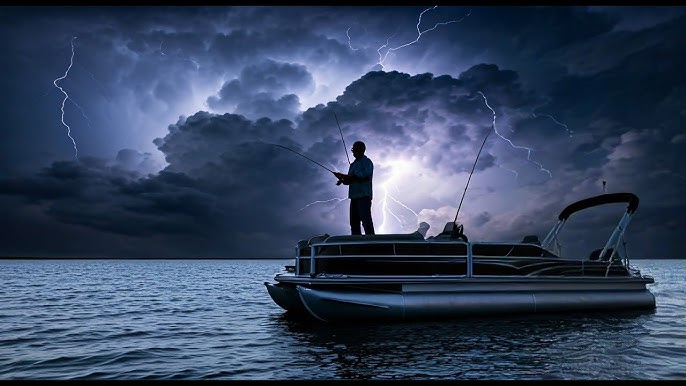
- High-Risk Activities: Fishing is the most dangerous activity, causing three times more lightning deaths than golf. Beach trips, boating, and camping are also high-risk.